
What Type of Massage Is Best for Tired Legs and Feet? A Citrus Heights Wellness Guide
Tired legs and feet are common after long workdays, extended standing, walking, exercise, travel, or hours spent moving between errands. For many Citrus Heights residents, professional massage therapy may provide a relaxing way to address ordinary muscular fatigue and tension. The right treatment depends on whether your legs simply feel tired, your muscles feel tight after activity, or you are experiencing swelling or pain that may require medical evaluation first.
Which Massage Is Best for Tired Legs and Feet?
For general fatigue, different massage styles can serve different goals:
Swedish massage for gentle relaxation and overall leg fatigue
Sports massage for exercise-related muscle tiredness
Deep tissue massage for persistent muscular tightness when firmer pressure is comfortable
Combination massage when different parts of the legs need different pressure levels
Hot stone massage for clients who enjoy warmth and a slower relaxation experience
Lymphatic massage only when appropriate for the individual and, when medically indicated, under suitable professional guidance
Massage can support relaxation and temporarily reduce certain types of muscular discomfort, but evidence varies by condition and should not be interpreted as proof that massage can treat every cause of leg or foot pain.
Why Do Legs and Feet Feel Tired?
The lower body works throughout nearly every part of the day.
Walking, standing, climbing stairs, exercising, driving, and carrying weight all place demands on the legs and feet.
Long Hours of Standing
People working in healthcare, hospitality, retail, salons, education, warehousing, and other standing-heavy occupations may notice fatigue toward the end of a shift.
Common areas include:
Feet
Calves
Thighs
Hips
Lower back
Standing or sitting for extended periods can also contribute to leg swelling in some people, although swelling can have many other causes.
Walking and Active Work
Employees who move continuously throughout the day may experience muscular fatigue through the calves, thighs, and feet.
This may be especially noticeable after:
Long shifts
Increased workloads
New footwear
More walking than usual
Repetitive lifting
Exercise and Training
Running, hiking, cycling, strength training, recreational sports, and fitness classes may leave specific muscle groups feeling tired.
Massage may be used as one part of a broader recovery routine that also includes appropriate rest, sleep, nutrition, hydration, and gradual training.
Long Periods of Sitting or Driving
Leg fatigue does not always come from standing.
Sitting for many hours can also leave the lower body feeling stiff or heavy. This may be noticeable after long drives, travel, desk work, or extended periods without movement.
Swedish Massage for General Leg Fatigue
Swedish massage is often a practical choice when the legs feel generally tired but there is no specific injury or severe pain.
What Does Swedish Massage Involve?
It typically uses:
Long flowing strokes
Gentle kneading
Light-to-moderate pressure
Rhythmic movements
Broad full-body techniques
A Relaxing Massage may work well when tired legs are part of overall stress and fatigue rather than the only concern.
Swedish Massage May Be a Good Choice If You:
Spend much of the day standing
Walk regularly for work
Prefer moderate pressure
Want full-body relaxation
Are new to massage
Want your legs included without intensive pressure
Sports Massage for Active Legs
Sports massage may be more appropriate when tired legs are connected to exercise or physically demanding activity.
Common Areas of Focus
Depending on your activity, the therapist may work on the:
Calves
Hamstrings
Quadriceps
Glutes
Hips
Feet
Who May Consider Sports Massage?
It may suit:
Runners
Cyclists
Hikers
Gym members
Recreational athletes
People with physically demanding jobs
Sports massage should be planned around your recent activity and current condition rather than assuming stronger pressure is always necessary.
Deep Tissue Massage for Persistent Muscle Tightness
Deep tissue massage uses slower and more focused pressure.
It may be considered when the calves, thighs, or other muscular areas repeatedly feel tight.
Firmer Pressure Should Remain Comfortable
Deep tissue work should not create:
Sharp pain
Numbness
Burning
Tingling
Electrical sensations
If these occur, tell the therapist immediately.
A professional Therapeutic Massage should adapt to your comfort instead of turning pressure into a test of endurance.
Combination Massage for Different Needs Across the Legs
The feet, calves, thighs, and hips may not all need the same pressure.
A combination session allows the therapist to change techniques throughout the appointment.
For Example:
The therapist may use:
Gentle pressure on tired feet
Moderate strokes across the calves
Firmer techniques through selected thigh muscles
Relaxation-focused movements across the rest of the body
This flexibility can be useful when you want both general relaxation and targeted attention.
Hot Stone Massage for Warmth and Relaxation
Hot stone massage incorporates controlled warmth into bodywork.
For clients who enjoy heat, it may create a soothing experience after demanding days.
Hot Stone Massage May Suit You If:
Your legs feel generally stiff
You prefer moderate pressure
You find warmth relaxing
Stress is also contributing to fatigue
You want a slower spa experience
Clients with reduced heat sensation, neuropathy, circulation concerns, or relevant medical conditions should discuss whether heated treatments are appropriate before booking.
What About Foot Massage?
Focused foot work may be appealing when your feet feel especially tired after standing or walking.
A therapist may use:
Gentle compression
Kneading
Moderate pressure
Work around the arches
Massage around the heels and ankles
Pressure should remain comfortable.
Tell Your Therapist About:
Previous foot injuries
Sensitive areas
Recent sprains
Skin problems
Swelling
Pain when walking
Persistent or unexplained foot pain may require medical assessment rather than massage alone.
Should You Choose Full-Body or Targeted Massage?
The choice depends on how widespread the fatigue feels.
Choose Full-Body Massage When:
Your entire body feels tired
Work or stress affects multiple areas
Relaxation is the main goal
Your legs are only one area of concern
Choose Targeted Massage When:
Your calves are the main problem
Your feet need extra attention
You want more time on the legs
You have limited appointment time
Tell your therapist your priorities before the session begins.
Can Massage Help Swollen Feet or Legs?
This question requires more caution.
Not all swelling should be massaged.
Leg swelling may occur for relatively ordinary reasons, such as prolonged standing or sitting, but it can also be associated with medical conditions including blood clots and heart-related problems.
Do Not Assume Swelling Is Just Fatigue
Seek medical guidance for unexplained swelling, especially when it:
Appears suddenly
Occurs mainly in one leg
Is painful
Is accompanied by redness
Feels warm
Continues without explanation
Mayo Clinic recommends prompt medical attention for unexplained, painful swelling of the legs or feet, particularly when only one leg is affected or the area becomes warm or red.
Why One-Sided Leg Swelling Matters
One-sided swelling and pain can sometimes be associated with deep vein thrombosis, or DVT.
Mayo Clinic notes that persistent leg pain and swelling after prolonged sitting or travel, particularly when symptoms affect one side, may indicate a blood clot and should be medically assessed.
Massage should not be performed over an area where a blood clot is suspected.
When Leg Symptoms May Be an Emergency
Seek immediate medical attention when unexplained leg swelling or pain occurs with:
Chest pain
Difficulty breathing
Shortness of breath
These symptoms can be associated with a blood clot traveling to the lungs or another serious medical condition.
A spa appointment is not appropriate in this situation.
Is Lymphatic Massage Good for Tired Legs?
Lymphatic massage uses very gentle techniques designed to encourage lymphatic fluid movement.
It is different from a Swedish, deep tissue, or sports massage.
When Lymphatic Massage Requires Extra Care
It may be used in specific circumstances such as professionally managed lymphedema, but it should not automatically be chosen simply because the legs look swollen.
Cleveland Clinic advises avoiding lymphatic drainage massage in people with conditions including blood clots, deep vein thrombosis, cellulitis, fever, infection, certain heart conditions, kidney failure, and stroke.
If swelling is new or unexplained, speak with a healthcare professional before choosing lymphatic massage.
How Much Pressure Should You Request?
Pressure should match the area and your comfort.
Light Pressure
May suit:
Sensitive feet
General relaxation
First-time clients
Tired muscles after long standing
Medium Pressure
May suit:
General leg fatigue
Clients who want noticeable muscle work
Swedish or combination sessions
Firm Pressure
May be considered for:
Selected muscular tightness
Experienced massage clients
Certain sports or deep tissue sessions
Firm pressure should not be applied aggressively to swollen, injured, bruised, or medically concerning areas.
When Should You Avoid Leg Massage?
Massage may need to be postponed when there is:
Suspected blood clot
Deep vein thrombosis
Active infection
Cellulitis
Fever
Open wounds
Significant unexplained swelling
Recent serious injury
Severe bruising
Severe or worsening pain
Lymphatic massage specifically should be avoided in several of these circumstances, including DVT, blood clots, cellulitis, infection, and fever.
What Should You Tell Your Therapist?
Before massage begins, describe how your legs and feet feel.
Tell your therapist:
How long the fatigue has been present
Whether you stand or walk all day
Recent exercise
Recent travel
Any swelling
Recent injuries
Areas that hurt
Pressure preference
Relevant medical conditions
Medications
Areas you want avoided
This information helps distinguish ordinary muscle fatigue from symptoms that may require a different approach.
How to Prepare for Your Appointment
Preparation is simple.
Before visiting a massage spa:
Wear comfortable clothing.
Avoid a heavy meal immediately beforehand.
Continue normal hydration.
Arrive early enough for consultation.
Mention recent training or long periods of standing.
Explain any swelling or unusual pain.
Identify your preferred pressure.
Share relevant health information.
There is no need to excessively hydrate or follow a detox routine.
What Happens During a Leg-Focused Massage?
The session may begin with a consultation about your daily activities.
Step 1: Identify Priority Areas
Tell your therapist whether the feet, calves, thighs, or entire lower body feel tired.
Step 2: Choose Appropriate Pressure
The therapist should begin gradually and adjust according to your response.
Step 3: Address Connected Areas
Depending on your goals and consent, the session may include:
Feet
Calves
Thighs
Hips
Glutes
Step 4: Communicate Throughout
Tell the therapist if pressure feels uncomfortable or if a particular area feels unusually sensitive.
What Should You Do After Massage?
After a normal massage session, many people simply return to their usual routine.
You may consider:
Gentle walking
Normal hydration
Comfortable footwear
Allowing time to rest after more focused work
Avoiding unusually intense exercise immediately after deep massage
Paying attention to recurring fatigue
Severe pain or new swelling after massage should not be ignored.
Daily Habits That May Help Tired Legs
Massage can complement practical everyday habits.
Change Position Regularly
If you stand all day, sitting briefly may help.
If you sit all day, short periods of walking may help break up prolonged inactivity.
Choose Supportive Footwear
Shoes should fit comfortably and match the type of activity you perform.
Repeated foot discomfort may justify evaluation by an appropriate healthcare professional.
Recover After Exercise
Allow your training schedule to include adequate recovery rather than repeatedly loading fatigued muscles.
Elevate Your Legs When Appropriate
Some people find occasional elevation comfortable after prolonged standing. However, recurring or significant swelling should be medically evaluated rather than treated solely through home strategies.
How Often Should You Schedule Massage for Tired Legs?
There is no required schedule.
Some Citrus Heights clients may choose:
Occasional massage after demanding shifts
Monthly relaxation sessions
Sports massage during active training periods
Targeted appointments when muscle tightness returns
The appropriate frequency depends on your activity, goals, health, budget, and response to treatment.
A responsible provider should not recommend repeated massage for unexplained swelling without encouraging appropriate medical evaluation.
Choosing a Massage Spa in Citrus Heights
When searching for the best massage spa near me, look for a provider that asks whether your legs feel tired, painful, swollen, or injured before recommending a treatment.
A professional massage spa Citrus Heights CA clients can feel confident visiting should:
Ask about recent activity
Screen for swelling and health concerns
Customize pressure
Respect sensitive areas
Explain treatment options
Maintain professional boundaries
Encourage feedback
Recognize symptoms that require medical attention
Avoid exaggerated wellness claims
Maintain a clean, calm environment
The best massage spa should know when massage may provide ordinary comfort and when treatment should be postponed.
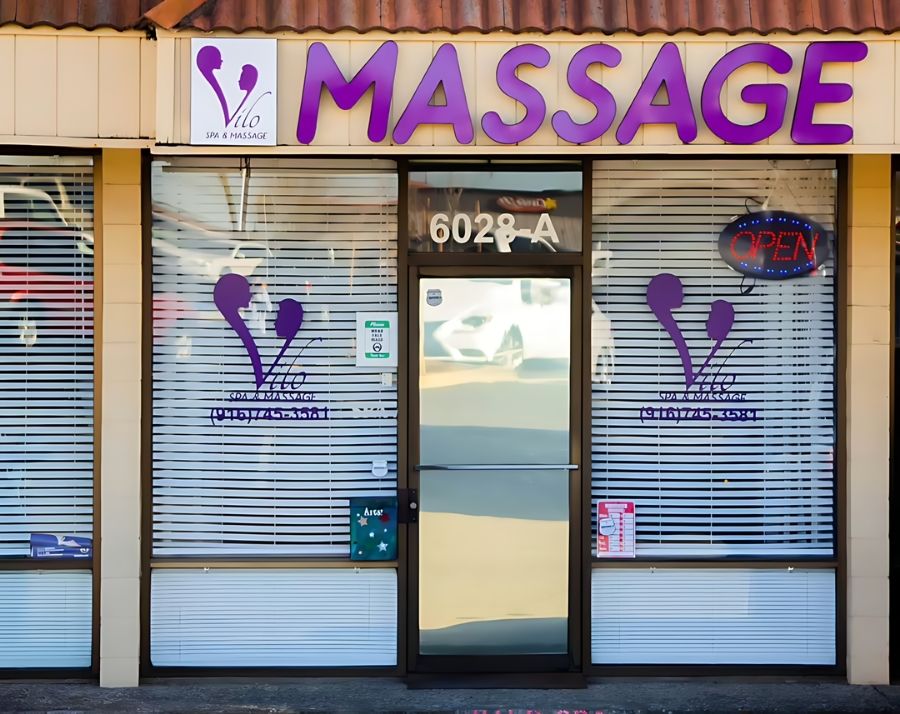
Why Choose Vilo Spa & Massage?
Vilo Spa & Massage provides personalized massage services in Citrus Heights for clients seeking relaxation, muscle comfort, and recovery after busy routines.
Available services include:
Swedish massage
Vilo Spa Combination Massage
Couples massage
Lymphatic massage
Deep tissue massage
Sports massage
Hot stone massage
Prenatal massage
Cupping massage
Ayurveda massage
Four hands massage
Your therapist can discuss whether your tired legs are related to work, standing, exercise, travel, or general fatigue and help you choose an appropriate session based on your comfort.
Frequently Asked Questions
What massage is best for tired legs?
Swedish massage can be a comfortable choice for general fatigue, while sports or combination massage may be useful when exercise or specific muscular areas are involved.
Is deep tissue massage good for tired legs?
It may be appropriate when muscles feel persistently tight and firm pressure is comfortable. It should not be applied aggressively to areas that are swollen or injured.
Can massage help tired feet?
Massage may help ordinary muscular fatigue feel more comfortable and provide relaxation after extended standing or walking.
Should swollen feet be massaged?
Not automatically. Unexplained or painful swelling—especially if it affects one side or is accompanied by warmth or redness—should be medically evaluated first.
Can I get massage after standing all day?
Yes, when the issue is ordinary fatigue and no concerning symptoms are present. A Swedish or combination session may be appropriate.
Is sports massage only for athletes?
No. It may also suit active adults and people whose work places repeated physical demands on the legs.
When should I avoid leg massage?
Avoid massage when there is a suspected blood clot, unexplained significant swelling, active infection, acute injury, or another condition that makes treatment inappropriate.
When is leg swelling an emergency?
Seek immediate medical care if unexplained swelling or leg pain occurs with chest pain or trouble breathing.
Give Tired Legs and Feet the Right Kind of Care
Tired legs and feet may simply need rest and a comfortable massage after a demanding day, or they may benefit from more targeted work after exercise. The key is understanding whether you are dealing with normal muscular fatigue or symptoms that should be evaluated before treatment.
Schedule an appointment with Vilo Spa & Massage in Citrus Heights and discuss how your legs and feet feel, what your daily routine involves, and which pressure level you prefer. Your therapist can help you choose a personalized session focused on relaxation and comfort while recognizing when massage may not be the appropriate first step.
Vilo Spa & Massage
Address: 6028 San Juan Ave, Citrus Heights, CA 95610, United States
Phone: +1 (279) 297-6053